
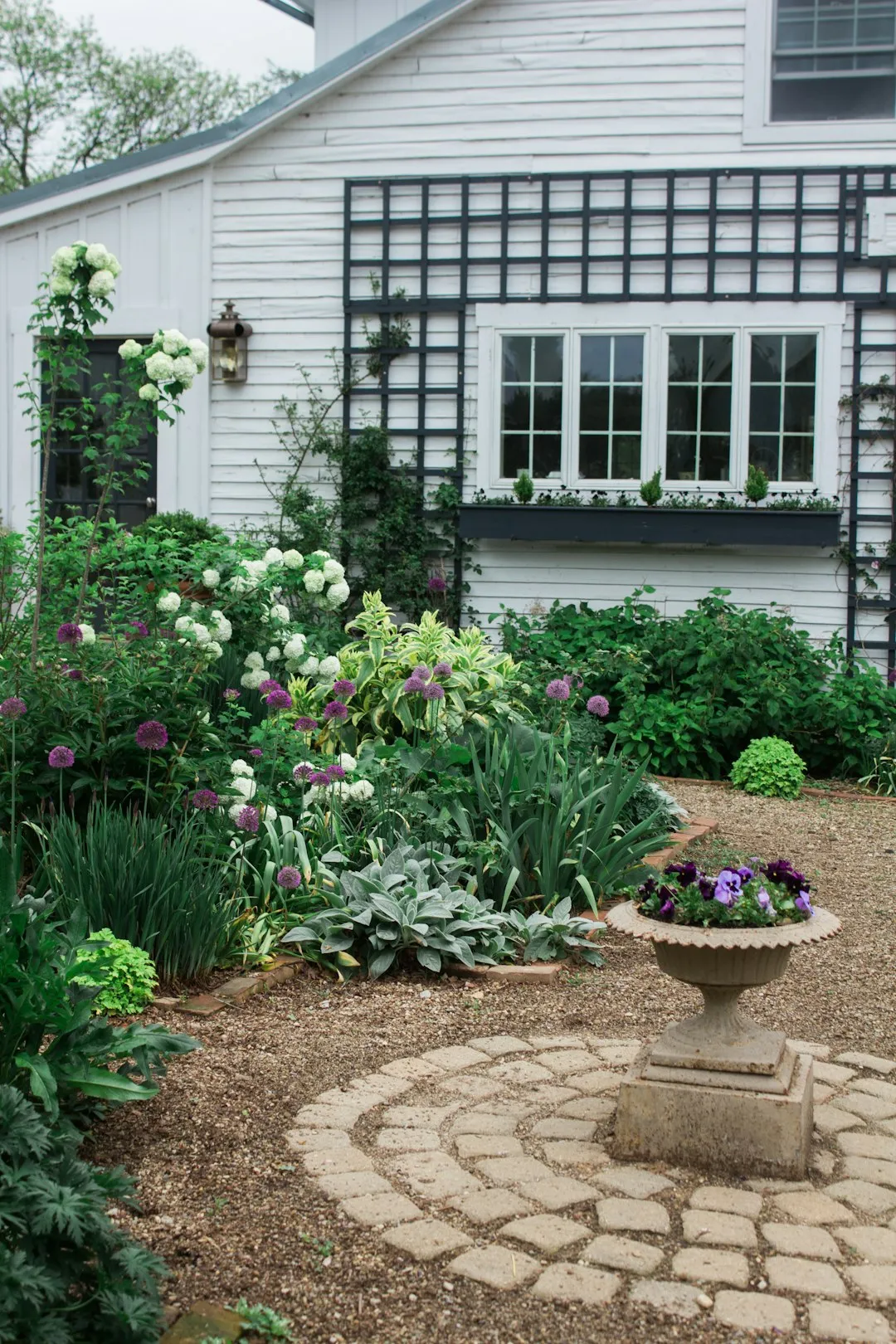
In the realm of garden design, a new trend is taking root, quite literally. Naturalism, a planting style that marries beauty with sustainability, is rapidly gaining popularity among designers and gardening enthusiasts alike. This approach to gardening is not just about creating a visually appealing space; it's about fostering a harmonious relationship with nature, one that benefits both the environment and the gardener.
Naturalistic planting is inspired by the way plants grow in the wild. Instead of the traditional, highly structured gardens with neatly arranged beds and rows of uniform plants, naturalistic gardens mimic the randomness and diversity of natural ecosystems. They feature a mix of native and adapted plants, arranged in a way that looks as if they've sprouted up on their own. This creates a more relaxed, informal aesthetic that is both inviting and beautiful.
One of the key principles of naturalistic planting is the use of native plants. Native plants are those that have evolved in a particular region over thousands of years. They are well - adapted to the local climate, soil conditions, and pests, which means they require less water, fertilizer, and pesticides compared to non - native species. By incorporating native plants into your garden, you can reduce your environmental impact and create a habitat for local wildlife, such as birds, butterflies, and bees.
Another important aspect of naturalistic planting is the concept of layers. In a naturalistic garden, plants are arranged in different layers, just like in a forest. The tallest plants, such as trees and large shrubs, form the canopy layer. Beneath them, smaller shrubs and medium - sized perennials make up the understory layer. The ground layer is filled with low - growing plants, such as groundcovers and bulbs. This multi - layered approach not only adds visual interest but also provides different habitats for wildlife and helps to maximize the use of space.
When it comes to designing a naturalistic garden, it's important to start with a plan. Begin by assessing your site. Consider factors such as the amount of sunlight, soil type, and drainage. This will help you determine which plants are best suited to your garden. You can also look at the natural landscapes in your area for inspiration. Notice how plants grow together in the wild and try to replicate those combinations in your garden.
Once you have a plan, it's time to start planting. When selecting plants, choose a variety of species that bloom at different times of the year. This will ensure that your garden has color and interest throughout the growing season. You can also mix different textures, such as the soft, feathery foliage of grasses with the bold, broad leaves of hostas. This adds another dimension to your garden and makes it more visually appealing.
Maintenance is also an important part of naturalistic gardening. While naturalistic gardens are generally lower - maintenance than traditional gardens, they still require some care. Regular weeding is essential to keep the garden looking its best. You may also need to prune some plants to control their growth and shape. However, it's important to avoid over - pruning, as this can disrupt the natural look of the garden.
Watering is another consideration. Since naturalistic gardens often feature native plants that are adapted to local rainfall patterns, they typically require less watering than non - native gardens. However, during dry spells, it's still important to provide supplemental water, especially to newly planted specimens. A good way to conserve water is to use a soaker hose or drip irrigation system, which delivers water directly to the roots of the plants.
In conclusion, naturalistic planting is a wonderful way to create a garden that is both beautiful and sustainable. By following the principles of naturalism, you can transform your yard into a haven for wildlife, a source of beauty and inspiration, and a place where you can connect with nature. So, why not give it a try? With a little planning and care, you can bring the magic of naturalistic planting into your own backyard.