
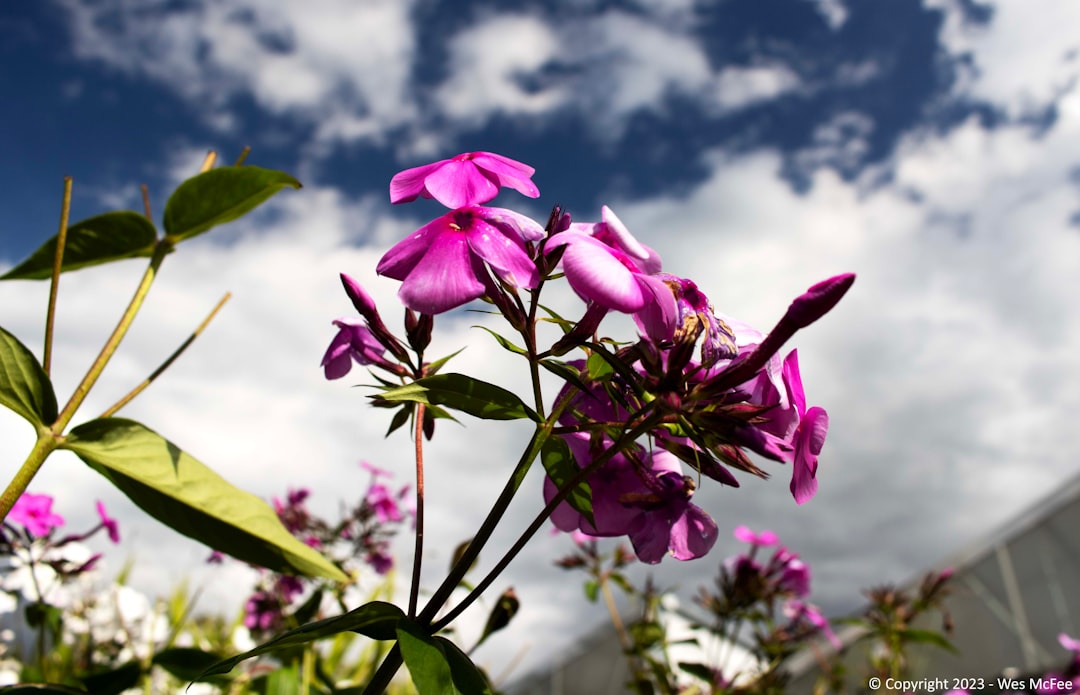
Native ironweed, a remarkable perennial, holds a special place in the world of flowers gardening. Its presence can transform any sunny, moist bed or border into a vibrant and captivating spectacle. These beautiful plants are not just a feast for the eyes but also play a crucial role in the ecosystem, acting as magnets for butterflies and other pollinators.
In sunny and moist environments, native ironweed thrives. Whether it's a well - tended flower bed or a naturalistic border, this plant adds a touch of wild beauty. The tall, slender stems of native ironweed can reach impressive heights, often standing out among other flora. Its deep purple or magenta flowers are a sight to behold, blooming in clusters that seem to float above the foliage.
One of the ideal settings for native ironweed is in rain gardens. Rain gardens are designed to capture and filter rainwater runoff, and native ironweed is well - adapted to these conditions. Its roots help to stabilize the soil, preventing erosion, while also absorbing excess water. This makes it an environmentally friendly choice for gardeners who are conscious of water conservation and sustainable gardening practices.
Beside ponds and streams, native ironweed creates a harmonious and natural look. The reflection of its colorful flowers on the water's surface adds an extra layer of charm. The moist soil near water bodies provides the perfect growing conditions for this plant. It can coexist with other water - loving plants, creating a diverse and balanced ecosystem.
But perhaps one of the most endearing qualities of native ironweed is its ability to attract butterflies. Butterflies are essential pollinators, and they are drawn to the nectar - rich flowers of native ironweed. As they flit from flower to flower, they help in the pollination process, ensuring the reproduction of not only the ironweed but also other nearby plants. This symbiotic relationship between native ironweed and butterflies is a beautiful example of nature's interconnectedness.
When it comes to planting native ironweed, there are a few things to keep in mind. First, it prefers full sun to partial shade. A location that receives at least six hours of sunlight a day is ideal. The soil should be moist but well - drained. Adding organic matter such as compost to the soil before planting can improve its fertility and drainage.
Native ironweed is a low - maintenance plant. Once established, it is relatively drought - tolerant, although it will perform best with regular watering during dry spells. Pruning is not usually necessary, but if you want to control its height or shape, you can trim it back in early spring. Deadheading, or removing the spent flowers, can encourage more blooms and keep the plant looking tidy.
In a garden setting, native ironweed can be combined with other perennials to create a dynamic and ever - changing display. For example, pairing it with goldenrod can create a stunning contrast of colors, with the bright yellow of the goldenrod complementing the deep purple of the ironweed. Other suitable companion plants include coneflowers, black - eyed Susans, and bee balm. These combinations not only look beautiful but also provide a continuous source of food for pollinators throughout the growing season.
As a perennial, native ironweed comes back year after year, adding stability and structure to the garden. It is a long - lived plant that can become a focal point in any landscape. Over time, it may spread and form small colonies, creating a more natural and wild look. This natural spreading can be managed if desired by dividing the plant every few years.
Native ironweed also has some historical and cultural significance. In some Native American cultures, certain parts of the plant were used for medicinal purposes. While modern medicine has moved on from these traditional uses, it is a reminder of the deep connection between humans and nature that has existed for centuries.
In conclusion, native ironweed is a versatile and valuable addition to any flower garden. Its ability to thrive in various moist and sunny settings, attract butterflies, and add beauty to the landscape makes it a must - have for gardeners. Whether you are a seasoned gardener or just starting out, consider incorporating native ironweed into your gardening plans. You will be rewarded with a garden that is not only visually stunning but also ecologically beneficial.