
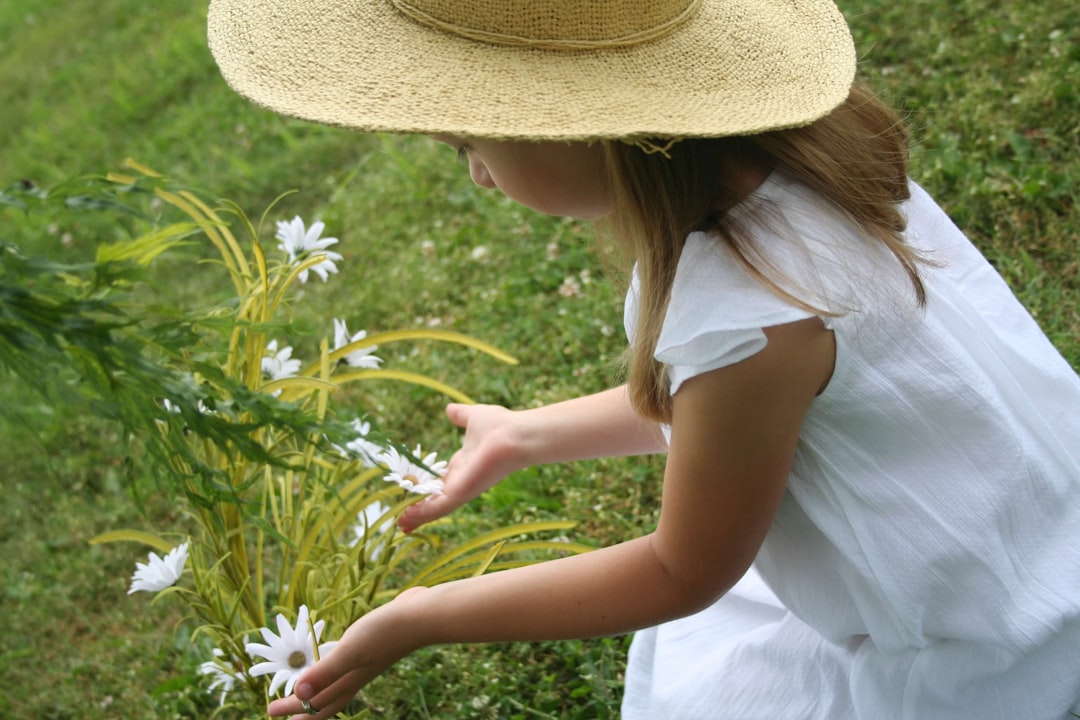
When it comes to sprucing up your garden, there's a flower that often goes under - the - radar but packs a powerful punch in terms of color and charm: the African daisy. Despite its name suggesting an annual nature, this flower has some unique cool - season qualities that make it a must - have for any garden enthusiast.
Let's start by debunking a common myth. The term “annual” might lead you to believe that the African daisy has a short lifespan and is only good for a single growing season. However, in cooler climates, it can behave quite differently. It can tolerate mild frosts and continue to bloom well into the fall, providing a splash of color when many other flowers have faded away. This resilience is one of the reasons why it's such a valuable addition to any garden.
The African daisy comes in a wide range of colors, from bright oranges and yellows to soft pinks and purples. These vivid hues can transform a dull corner of your garden into a vibrant oasis. Imagine a bed of African daisies swaying gently in the breeze, their petals catching the sunlight and creating a beautiful display. Whether you're looking to create a monochromatic scheme or a riot of colors, the African daisy offers endless possibilities.
In terms of care, the African daisy is relatively low - maintenance. It prefers well - drained soil and plenty of sunlight. However, it can also tolerate partial shade, making it a versatile choice for different garden settings. Watering should be done moderately; over - watering can lead to root rot, so it's important to let the soil dry out between waterings. Fertilizing once a month during the growing season can help promote healthy growth and abundant blooms.
One of the most exciting aspects of growing African daisies is the way they attract pollinators. Bees, butterflies, and hummingbirds are all drawn to the nectar - rich flowers. This not only adds to the beauty of your garden but also plays an important role in the ecosystem. By planting African daisies, you're creating a haven for these beneficial creatures and contributing to the overall health of your local environment.
When it comes to planting, African daisies can be started from seeds or purchased as young plants from a nursery. If you're starting from seeds, sow them indoors about 6 - 8 weeks before the last frost date. Once the seedlings have developed a few sets of true leaves, they can be transplanted outdoors. Make sure to space the plants about 10 - 12 inches apart to allow for proper air circulation and growth.
Another great feature of African daisies is their ability to be used in different garden designs. They work well in flower beds, borders, and containers. In a flower bed, they can be mixed with other annuals and perennials to create a dynamic and ever - changing display. In containers, they can be used as a focal point or combined with trailing plants for a more cascading effect.
As the seasons change, the African daisy continues to surprise. In the spring, it bursts into bloom, filling the garden with its cheerful colors. During the summer, it withstands the heat and continues to produce flowers. And in the fall, when other plants are starting to wind down, the African daisy keeps going strong. This long - blooming period makes it a reliable source of color throughout the year.
In conclusion, the African daisy is a flower that deserves more attention in the world of gardening. Its cool - season qualities, vibrant colors, low - maintenance nature, and ability to attract pollinators make it an ideal choice for both novice and experienced gardeners. So, the next time you're planning your garden, consider adding some African daisies. You'll be rewarded with a garden that's full of life and color from spring to fall.