
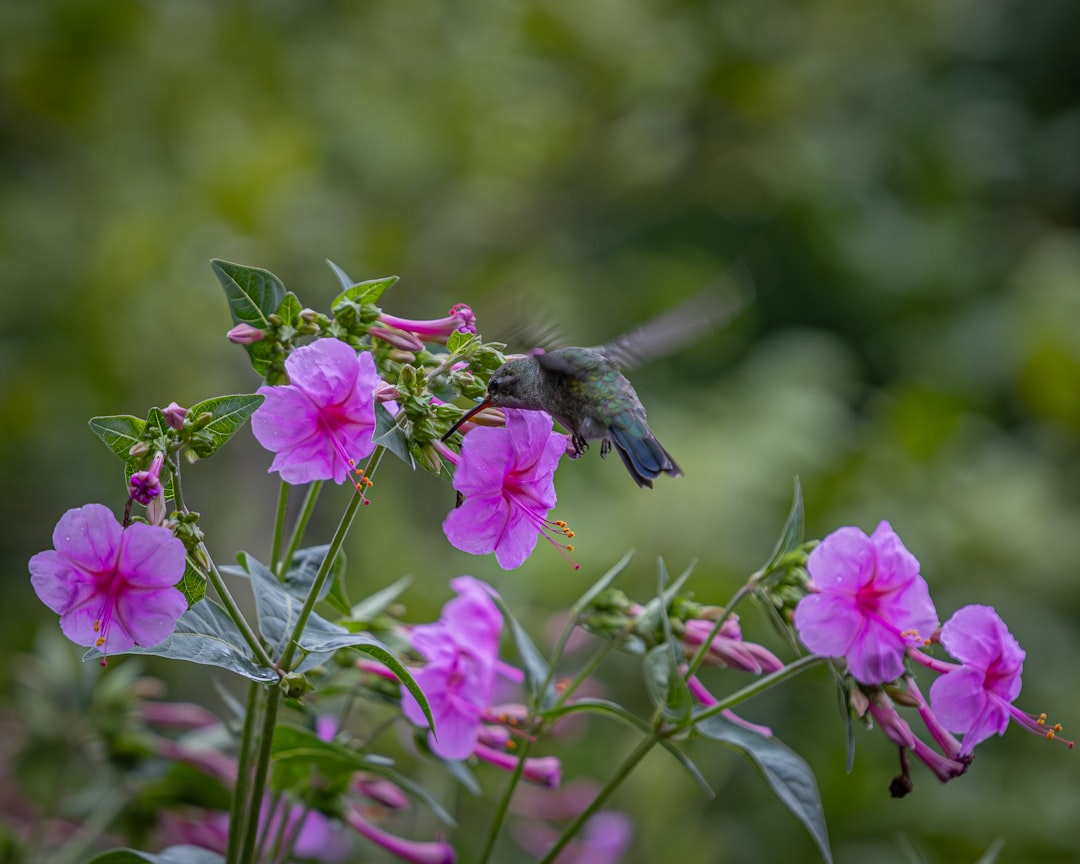
Flowers gardening is not just about creating a visually appealing landscape; it's also about fostering a vibrant ecosystem. One of the most charming and fascinating creatures you can attract to your garden is the hummingbird. These tiny, energetic birds can add a touch of magic to your outdoor space, and with the right strategies, you can turn your garden into a hummingbird haven.
First and foremost, understanding the hummingbird's preferences is crucial. Hummingbirds are attracted to bright - colored, tubular flowers. These flowers not only provide a rich source of nectar but also have a shape that is perfectly suited to the hummingbird's long, slender beak. Some of the top flower choices for attracting hummingbirds include trumpet vine, bee balm, salvia, and columbine. Trumpet vine, with its large, orange - red tubular flowers, is a favorite among hummingbirds. The bright color acts as a beacon, drawing the birds from afar. Bee balm, on the other hand, comes in a variety of colors such as red, pink, and purple. Its nectar - rich flowers are a great energy source for the hummingbirds.
When planning your flower garden, it's important to consider the blooming season. To ensure a continuous supply of nectar throughout the year, plant a mix of early - blooming, mid - season, and late - blooming flowers. For example, in the early spring, you can plant crocuses and hellebores. These early bloomers will provide a much - needed food source for hummingbirds that are just returning from their winter migration. As the season progresses, move on to mid - season flowers like petunias and fuchsias. And in the late summer and fall, asters and goldenrods will keep the hummingbirds well - fed.
Another important aspect of attracting hummingbirds is the placement of your flowers. Hummingbirds prefer areas that are sheltered from strong winds but still receive plenty of sunlight. You can create a micro - environment in your garden by planting your flowers near a fence or a building. This will provide some protection from the wind while allowing the flowers to soak up the sun. Additionally, group your flowers together in clusters. Hummingbirds are more likely to visit a large group of flowers rather than single, scattered plants. A cluster of flowers creates a more visible and appealing target for the birds.
Water is also an essential element in a hummingbird - friendly garden. Hummingbirds need water not only for drinking but also for bathing. You can set up a shallow birdbath or a misting system in your garden. A shallow birdbath should be no more than two inches deep, with a rough surface to prevent the birds from slipping. A misting system, on the other hand, can create a fine spray of water that the hummingbirds will enjoy flying through. This not only helps them keep clean but also provides a refreshing break from the heat.
It's important to avoid using pesticides in your garden. Pesticides can be harmful to hummingbirds, as they can contaminate the nectar and kill the insects that hummingbirds also feed on. Instead, opt for natural pest control methods. For example, you can introduce beneficial insects like ladybugs and lacewings, which will help control pests without harming the hummingbirds. You can also use companion planting techniques. Planting certain flowers and herbs together can help repel pests naturally. For instance, marigolds are known to repel nematodes, while basil can keep away mosquitoes.
Finally, adding a hummingbird feeder to your garden can be a great way to supplement the natural nectar sources. When choosing a feeder, look for one that is easy to clean and has bright colors to attract the birds. Fill the feeder with a homemade nectar solution made from four parts water and one part white sugar. Avoid using honey, artificial sweeteners, or red food coloring, as these can be harmful to the hummingbirds. Change the nectar every few days, especially in hot weather, to prevent the growth of mold and bacteria.
In conclusion, creating a hummingbird - friendly flower garden is a rewarding experience. By choosing the right flowers, considering the blooming season, providing water, avoiding pesticides, and adding a feeder, you can attract these adorable, fascinating birds to your garden. Watch as they flit from flower to flower, adding their charm and energy to your landscape. Your garden will not only become a beautiful place to relax but also a vital habitat for these important pollinators.